Smarter Approach. Better Results.
Have you been injured in an Uber or Lyft crash in Kansas City? The Kansas City rideshare accident lawyers at The Bruning Law Firm can help. Our family-owned firm has recovered more than $300 million for injured people, and we handle everything from the first insurance call to trial. Your consultation is free, and we work on contingency, so we do not get paid unless you do.
A rideshare crash in Kansas City puts three parties in the picture: the Uber or Lyft driver behind the wheel, the company standing behind that driver, and whoever else was on the road. You, the injured passenger, sit on none of those sides. That means every one of them owes you answers, and none of them can point the finger at you.
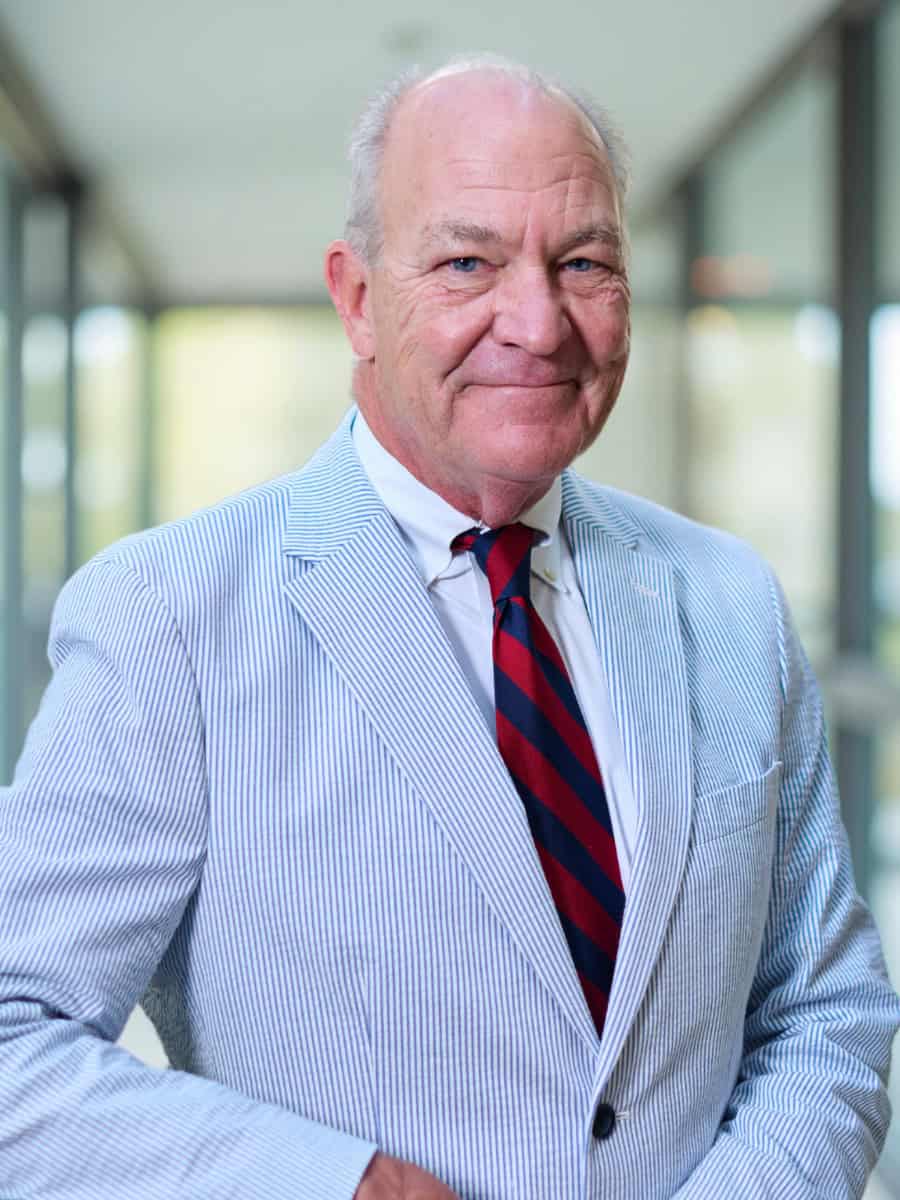
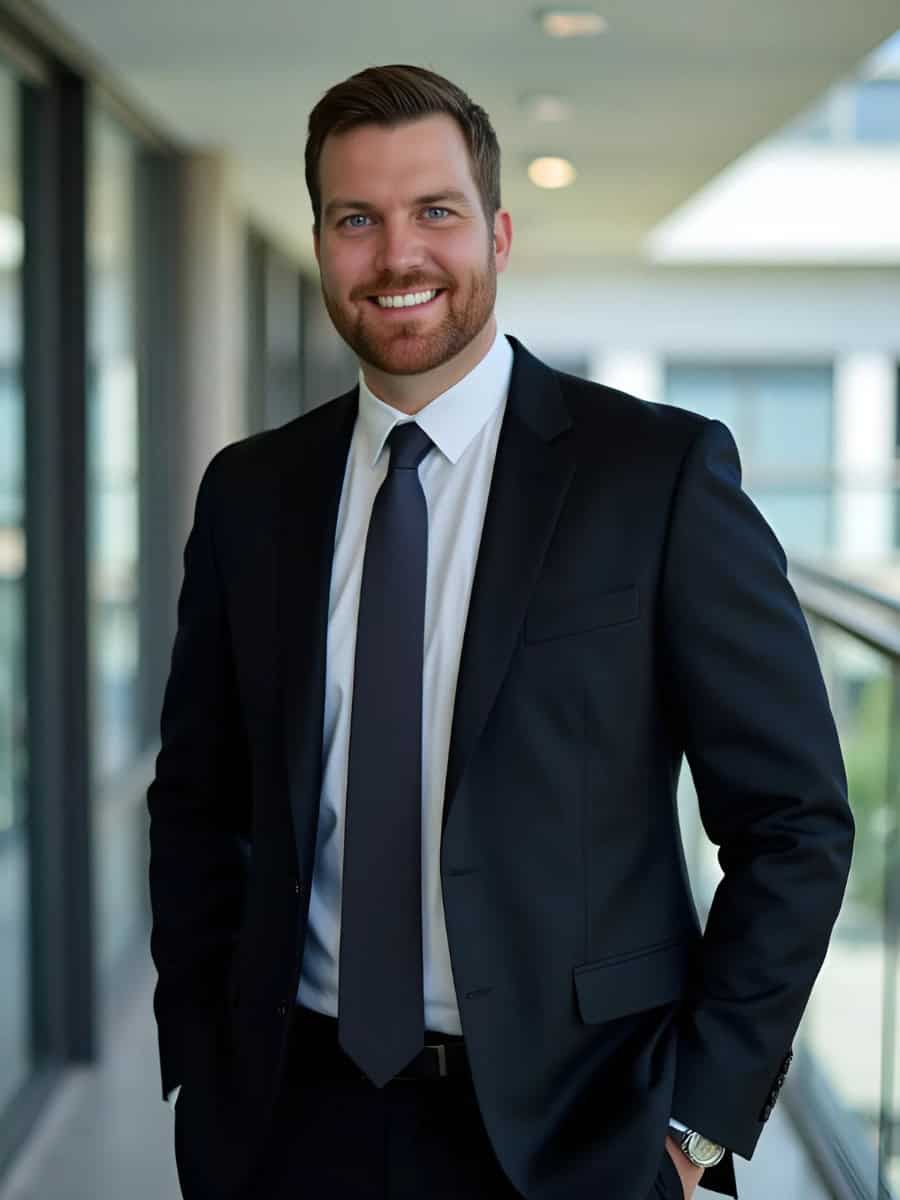
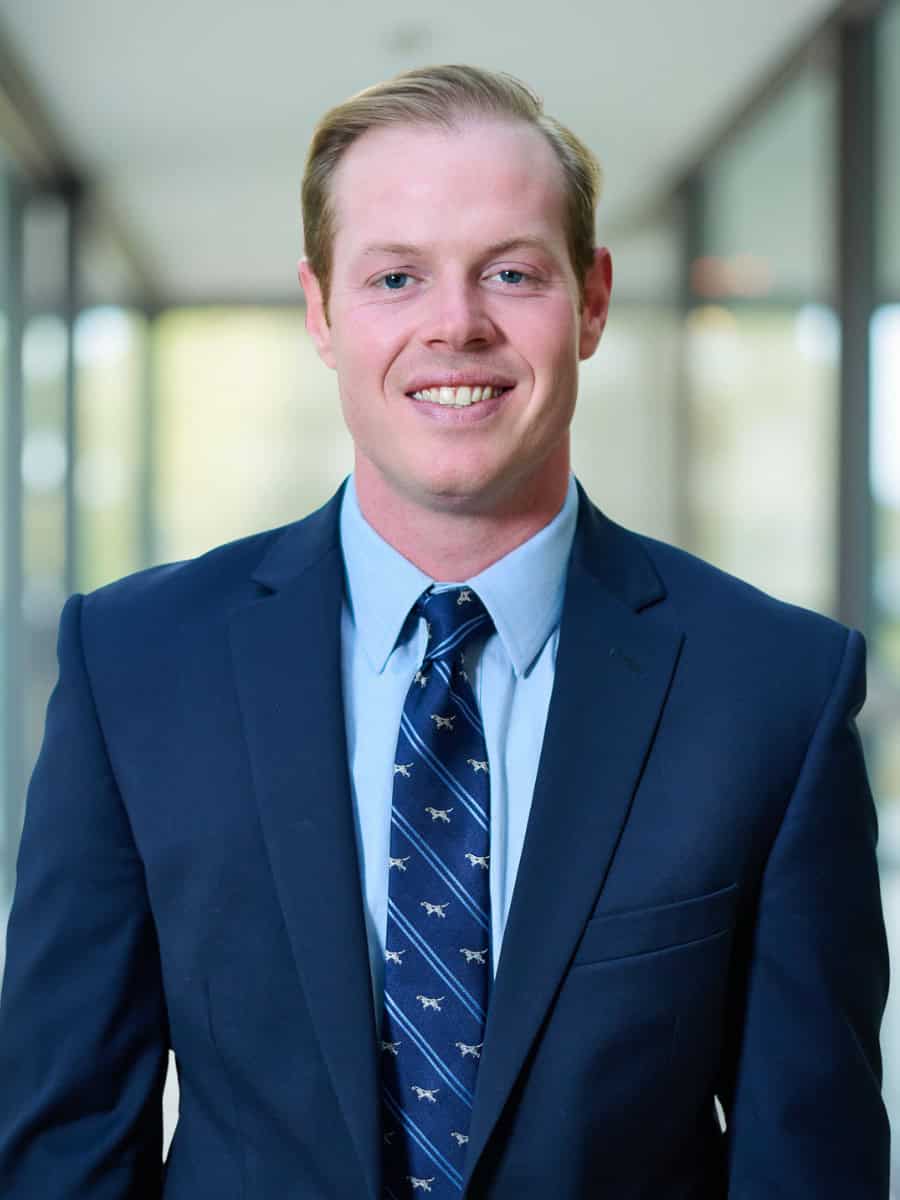
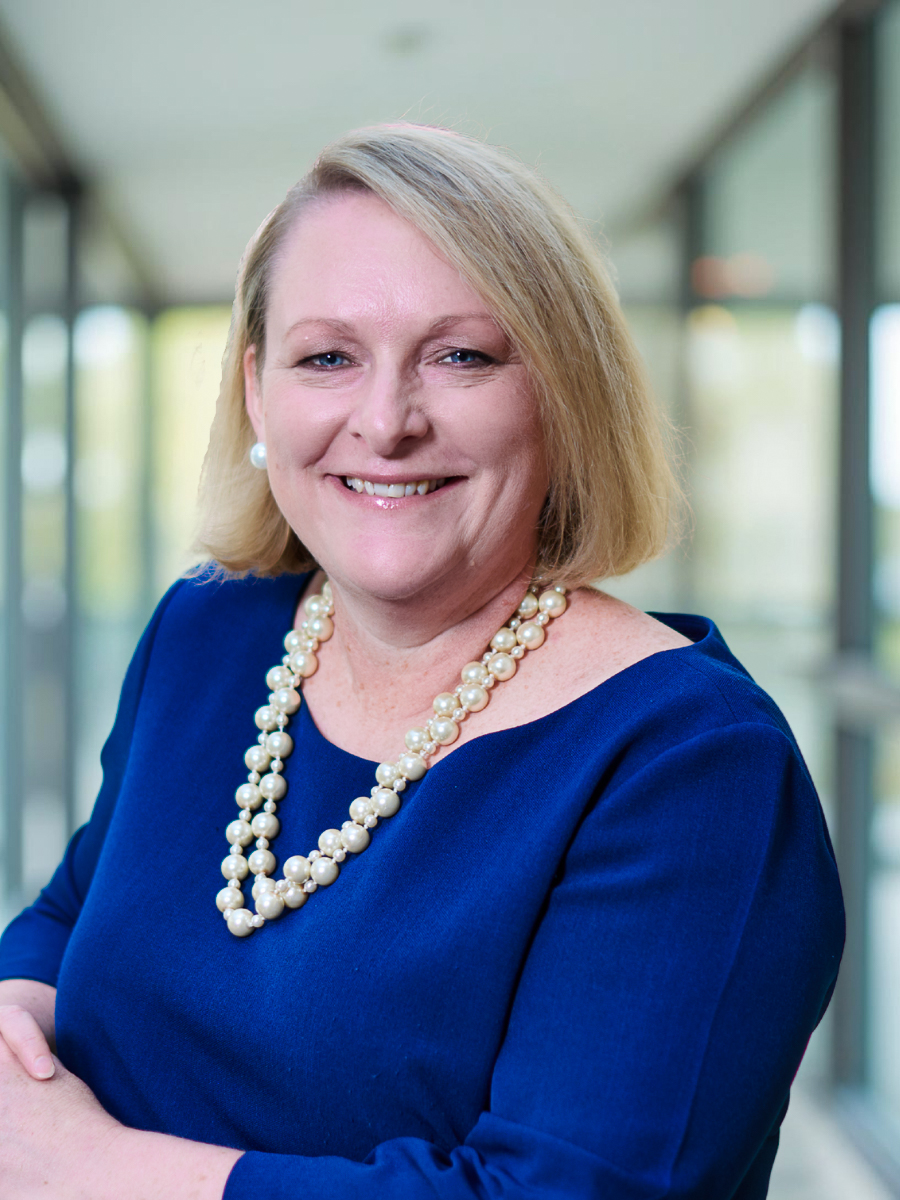
The Bruning Law Firm has been family-owned since Anthony Bruning founded it in 2016, and his sons A.J. and Ryan help lead it today. Its Kansas City rideshare accident lawyers work with more than 40 years of combined experience behind them and over $300 million recovered for injured people. When Uber and Lyft dig in, our litigation team has been there before, through claims, arbitration, and lawsuits.
Here is how a Kansas City case runs. Your file moves against written benchmarks tracked daily, with follow-up on average every 72 hours, and we chase every source of coverage a rideshare claim can open: the rideshare company’s commercial policy, the other driver’s policy, and the uninsured and underinsured motorist coverage built into the rideshare policy itself.
Past results do not guarantee future outcomes. Every case is judged on its own merits.
Uber and Lyft do not roll over. They have larger policies, better lawyers, and deeper pockets than an individual driver, and they make you prove your claim. Our pre-litigation team settles what can be settled; our litigation department files suit when the offer is not honest. The companies on the other side know which firms actually file.
Every case runs against written benchmarks tracked daily, with follow-up on average every 72 hours. Our staff answer your insurance questions on the spot, in plain English. With a rideshare company and two carriers in the mix, you will never wonder who said what or what happens next.
Rideshare crashes can open coverage most people never learn about: the rideshare company's commercial policy while a trip is active, the other driver's policy, and the uninsured and underinsured motorist coverage inside the rideshare policy when the at-fault driver flees or carries a minimal limit. We chase all of it.
After a rideshare crash the calls come from two directions at once: the rideshare company's carrier and the other driver's insurer. Because neither one can blame you, they run a different play. They shrink the injury instead.
The adjuster feeds your medical bills into a database and reads back what it calls the "reasonable and necessary" cost, a strangely precise figure nobody can explain. It is not an evaluation of your case. It is an opening bid priced for people who do not know they can refuse it.
The rideshare company says the other driver caused it. The other driver's insurer says the rideshare driver did. While they argue about whose policy pays, both agree on one thing: your injuries are not as bad as you say. We pin down fault so the argument stops being your delay.
The day after the crash you feel okay and say so on a recorded line. Three days later your back seizes, the MRI finds a torn ligament, and that recording resurfaces as proof you were never hurt. They will record your statements, and they will use them if they can.
Large carriers run two tiers of adjusters: one desk for claimants without a lawyer, and a veteran desk that takes over the moment an attorney appears. They know exactly whom they can take advantage of. Hiring counsel changes which desk your file lands on, and how seriously it gets read.
You were sitting in the back seat. Unless you were actively distracting the driver, no one can assign you a percentage of fault, no matter what you told an adjuster on a recorded line. The whole case becomes how badly you were hurt, and that is a fight documentation wins.
The rideshare driver, the rideshare company, and the other driver can all be named in a single lawsuit, each with their own legal team. You do not fight three battles. You bring one case, and we make every defendant answer inside it.
Uber and Lyft will not roll over and pay what is fair on their own. Neither will we roll over.
Call (816) 370-5384Follow the fault, and you find the policy. In an ordinary crash the fault question is you versus the other driver. In a rideshare crash you are out of that equation entirely. The question becomes: was it the Uber or Lyft driver, or the other driver on the road? Whoever caused the crash, their insurance answers for it, and if both share blame, both policies pay their share under Missouri’s pure comparative fault rule from Gustafson v. Benda.
Expect the rideshare company to argue its half hard. Their position is often: yes, you were in our car, and yes, you were hurt, but our driver did nothing wrong, so we should not pay. That is why the fault investigation matters even for a blameless passenger. The entire shape of your case changes depending on which side of that argument the evidence lands.
In practice, most Kansas City crashes are clearly one party’s fault: a rear-end in stop-and-go traffic on the downtown loop, a red light run on Southwest Trafficway, a lane drift on I-70, I-35, or I-435, a blown stop sign off Ward Parkway. Genuine 50/50 splits are rarer than people think. Our job is to lock the fault picture down early, with the police report, witnesses, and the rideshare company’s own trip data, before either insurer can spin it.
Driving for Uber or Lyft when someone hit you? Your claim usually runs against the at-fault driver, not the rideshare company, and your own personal auto policy may exclude crashes that happen while you are working. If the driver who hit you fled or carries a minimal policy, the uninsured and underinsured motorist coverage in the rideshare company’s policy may step in. Bring us the facts and we will map the coverage.
The rideshare company's commercial policy answers, and during a prearranged ride Missouri law requires $1 million in liability coverage under RSMo § 379.1702. The money exists by statute. The fight is over whether they pay it fairly.
That driver's policy pays first, and Missouri's minimum is only $25,000 per person. When your bills outrun it, or the driver fled the scene, the uninsured and underinsured motorist coverage in the rideshare policy can cover the difference.
Unsure which insurance policy has to answer for your crash? Sorting that out is what you hire us for.
Tell Us What HappenedOr call (816) 370-5384, day or night.
In Missouri, you generally have five years from the date of the crash to file a rideshare injury lawsuit, under RSMo § 516.120. If a crash takes a life, the family’s wrongful death claim runs on a shorter three-year clock under RSMo § 537.100. Those are the deadlines to file suit in court, not to finish your case, and once they pass, your claim is extinguished and every dollar of leverage goes with it.
Rideshare cases add a wrinkle most pages never mention. When you downloaded the app, you clicked “I accept” on terms that include an arbitration clause. Uber and Lyft sometimes invoke it to pull injury claims out of court. Some Missouri courts have refused to enforce those clauses, reasoning that you cannot truly agree to terms you never read; other venues uphold them. Which county your case lands in can change the entire path to recovery, and that is a fight you want an attorney handling from day one.
Arbitration is not automatically bad news. It runs before a panel rather than a jury, often moves faster than a lawsuit, and there are cases where we recommend it. The point is that the venue decision should be strategy, not something a terms-of-service checkbox decides for you.
And the practical deadline is far shorter than any statute. The rideshare company’s trip data, the driver’s phone records, dashcam footage, and witness memories all decay in weeks, whether the crash happened downtown or out on the I-435 loop. The claim you can prove in week one is not the claim you can prove in month six.
To file a personal injury lawsuit after a Missouri rideshare crash. RSMo § 516.120
For a wrongful death claim when a crash takes a life. The shorter clock surprises families. RSMo § 537.100
The "I accept" you clicked in the app may contain an arbitration clause. Missouri courts split on enforcing them, venue by venue. Strategy, not fine print, should decide.
Trip data, phone records, dashcam footage, and witness memories decay fast. The legal deadline is five years; the evidence deadline is measured in weeks.
The most common, because stop-and-go traffic on I-435 and the downtown loop makes the rear-end collision the default Kansas City crash. A disc can bulge in your back without a single mark on your skin, and you will not know until imaging finds it. We make sure the MRI you were referred for actually happens.
Easy for an insurer to dismiss and easy for you to underestimate. The pain that "goes away" because you stopped doing what hurts is still an injury, and it still belongs in the record.
A tendon can tear in your shoulder with nothing visible on the surface: no cut, no bruise, no bleeding. The classic toughing-it-out injury, and the one people most regret ignoring. If it still hurts weeks later, your body is telling you something.
Back-seat passengers take head strikes against windows, pillars, and seat frames they never saw coming. The person carrying a concussion is often the last to admit it; sometimes a spouse's "he is not himself anymore" is the first honest diagnosis.
Our $3 million passenger recovery involved a broken femur, knee, and ankle. The ER diagnoses the break; the fight is over everything after: hardware, rehab, and the chronic pain that outlasts the cast.
You feel fine at the scene, finish your day, and wake up three days later with a back that will not straighten. That is normal, not suspicious. Go get checked anyway. The sooner the injury is documented, the less room the insurers have to argue it came from somewhere else.
Two things set the real number in any injury case: the coverage available and the full extent of your injuries. Rideshare cases are unusual on the first one. Instead of a lone driver with a $25,000 state-minimum policy, there can be a commercial rideshare policy, the other driver’s policy, and uninsured and underinsured motorist coverage layered behind them. More coverage exists. It is just defended harder.
Here is what defending it harder looks like. Since they cannot argue you were at fault, the insurers argue your damages: your injuries are not that serious, your pain is overstated, you could have gone back to work sooner. Then comes the database offer, the oddly precise number that shrinks $10,000 of medical bills into $5,437.27 of “reasonable and necessary” costs. A lot of people take that money because nobody told them it was an opening bid. You do not have to take it, and between arbitration and litigation, there is more than one road to a fair number.
Now the trap nobody warns you about: medical debt you never needed to carry. Say your bills are $40,000 and the at-fault driver’s policy is $25,000. Take the check on your own and you are $15,000 underwater. Missouri law works differently when it is applied correctly: under the state’s lien statute, after fees and case costs, at least half of what remains belongs to you, and the medical providers must accept the other portion in full satisfaction of the debt. Handled right, you keep a real recovery and owe the providers nothing. That statute does not apply itself. Knowing it exists is a large part of what you are hiring a lawyer for.
What your case is actually worth cannot be known two weeks after the crash, and anyone quoting you a number that early is guessing at your expense. What we can promise is the process that finds the honest number: complete treatment, full documentation, every policy identified, and no settlement before the medical picture is complete.
The liability coverage Missouri law requires of Uber and Lyft while a ride is in progress. The money exists by statute; paying it fairly is the fight. RSMo § 379.1702
At minimum, the share of the net settlement Missouri's lien statute reserves for you, with medical providers required to accept the remainder in satisfaction of your bills. RSMo § 430.225
Missouri minimum bodily-injury coverage per person / per accident on the other driver's policy. The reason rideshare UIM coverage matters. RSMo § 303.190
You settle once. If surgery arrives two years from now, it has to be in the number before you sign, or it is yours to pay.
Maybe the call came the day after the crash. Maybe you answered questions you now wish you had not, said you were feeling okay, or listened to an offer that felt wildly low for what happened to you. And now, on top of being hurt, you are carrying a quiet worry: did I just ruin my own case?
Here is the honest answer for a rideshare passenger: almost certainly not. You had no fault in this crash, so there is no admission you could have made that hands them liability. You were in the back seat. Nothing you said on that call changes who caused the collision.
And if you told them you felt fine? Things change. You can feel fine on Tuesday and learn from an MRI on Friday that a ligament is torn. Injuries present themselves over time; that is medicine, not a contradiction. When they replay the recording, the answer is simple: further tests were run, and you were not fine.
You did not know better when it happened, and you do not need to carry shame for that. From this point forward, the calls come to us instead: both carriers, every question, every recorded line. The only call left for you to make is this one.
A back-seat passenger has no liability, so no statement you made can shift the blame onto you. The case was never about your words.
The rideshare company's carrier and the other driver's insurer both want statements. In recent Missouri Uber and Lyft claims our team has handled, the rideshare side arrives through Farmers adjusters.
Like golf: the next shot is the most important shot. Whatever was said last week, the right move now is the same, and it is still available.
Walk us through the call. Most of the time the damage can be contained, and it costs nothing to find out.
Request My Free ConsultationPrefer to talk it through? Call (816) 370-5384.
Four steps, in this order. Once the fourth is done, the rest of it, the trip records, the police report, the medical bills, both insurance companies, and the rideshare company itself, moves onto our desk instead of yours. We handle everything from there.
Start My Free ConsultationSubmit the accident through Uber or Lyft's app so the company is formally on notice. It creates a record tying your injury to the trip. Keep the ride receipt; it is evidence.
Soft-tissue injuries hide for days. No health insurance is not a reason to skip it: many Missouri providers will treat crash injuries on a lien, paid later from the recovery.
Scrolling the ride queue, accepting the next fare, texting at the wheel. Your testimony about the sixty seconds before impact can be some of the strongest evidence in the case.
Two insurance companies will be calling, and both record. As a passenger you owe them nothing: no statement, no interview, no signature. Let us do the talking from here.
Four questions decide every Uber and Lyft injury claim. Here is what each one means, in plain English, and why it is the first thing we look at when an injured passenger calls.
The facts of the crash come before everything, because the entire case is shaped differently depending on whether the rideshare driver or the other driver caused it. Fault decides whose policy answers.
The rideshare driver, the rideshare company, the other driver, or some combination. Courts have held that Uber and Lyft exercise real control over their drivers, which keeps the companies themselves reachable, not just the person at the wheel.
The rideshare commercial policy, the other driver's limits, and the UM and UIM coverage behind them. Serious injuries outrun a $25,000 minimum policy fast; finding every layer is where recoveries are made.
Medical bills, future care, lost wages, and the parts of your life that shrank. Since fault is off the table, damages are the whole fight, and consistent, documented treatment is how they get proven.
Dominic Sinclair is the first lawyer in his family. He grew up in Petersburg, a small town in the middle of Illinois, the kind of place where nobody sued anybody, because if you did something wrong, you fixed it. He understands, personally, why people hesitate to make a claim: nobody wants to be the person who sued a neighbor. And he spent the early part of his career on the other side, defending insurance companies and Fortune 500 corporations, which means he learned their playbook from inside the building.
Here is what he tells people now. The neighbor is not paying. Insurance exists precisely for this, the rideshare company carries it by law, the other driver is required to carry it, and the justice system is your last line of defense as an individual, there to be used for exactly what it is for. Our firm has an entire pre-litigation department that settles claims when insurers deal honestly. The litigation department exists for when they do not. Dominic has taken rideshare cases against these companies and their carriers, through claims, arbitration, and suit.
The Bruning Law Firm is a family business, built on trust and dedication. Founded by Anthony Bruning, led with his sons A.J. and Ryan, and driven by partners who know Missouri courtrooms, adjusters, and juries.
Every crash has its own shape. These guides go deeper on the situations that show up most often alongside rideshare claims.
Potentially three parties, in one lawsuit: the rideshare driver, the rideshare company, and the other driver if one was involved. Courts have found that Uber and Lyft exercise enough control over their drivers to be held responsible for them, which defeated the old "independent contractor" defense the companies leaned on for years. Each defendant shows up with its own legal team; you show up with ours.
No. A passenger sitting in the back seat has no share of fault to argue about, short of something extreme like physically interfering with the driver. That is exactly why the insurers pivot to minimizing your injuries instead; it is the only lever they have left. Missouri's pure comparative fault rule still governs how blame splits between the two drivers, which determines whose policy pays you.
During a prearranged ride, from ride acceptance through drop-off, Missouri law requires Uber and Lyft to carry under , and the rideshare policy also carries uninsured and underinsured motorist coverage. Between rides, with the app on but no passenger, the required coverage drops to $50,000 per person and $100,000 per accident. Which period the crash happened in can swing the available coverage by hundreds of thousands of dollars, and it is one of the first facts we pin down.
Not necessarily. Uber and Lyft sometimes invoke the arbitration clause buried in their terms of service, but some Missouri courts have refused to enforce those clauses against injured riders, on the logic that you cannot agree to terms you never actually read. Other venues uphold them. And sometimes arbitration genuinely serves the client: it is a panel of three arbitrators, one picked by each side and a neutral picked by the two, and it can move faster than a lawsuit. The decision should be strategy, made with counsel, not a default you fell into.
Almost certainly not. As a passenger you have no fault to admit, so nothing you said shifts liability onto you. If you said you felt fine and later learned otherwise, that is medicine doing what medicine does: injuries present over time, and further testing found what the first look missed. Do not take a low offer out of guilt. Call us and let us look at what was actually said.
A hit-and-run does not end your claim. The rideshare policy carries uninsured motorist coverage for exactly this situation, and it applies to you as the passenger. The same coverage logic helps when the at-fault driver stayed but carries only a minimal policy; underinsured motorist coverage picks up where their limit runs out.
Usually yes, against the driver who hit you, the same as any injured driver. Two wrinkles matter: your personal auto policy may exclude crashes that happen while you are on the clock, and if the at-fault driver fled or was underinsured, the rideshare company's uninsured and underinsured motorist coverage may apply to you. Bring us the facts and we will map which policies answer.
Five years from the date of the crash under ; wrongful death claims are three years under . The practical deadline is far shorter, because trip data, driver phone records, and witness memories disappear in weeks, and an arbitration clause fight can add months. Earlier is stronger.
At The Bruning Law Firm's Kansas City office, nothing up front. The consultation is free and we work on contingency: no fee unless we recover for you. Your price is the same whether you call today or a month from today. The evidence is what changes.
If your question is not on this list, bring it to us directly. A real person answers.
Ask Us DirectlyOr call (816) 370-5384 now.
Kansas City·Westport·Country Club Plaza·River Market·North Kansas City·Independence·Lee's Summit·Blue Springs·Liberty·Gladstone·Jackson County·Clay County·Platte County
Call (816) 370-5384 to reach our Kansas City team now, or send the basics and we will call you back. Either way, it costs nothing to find out where you stand.
We respond within minutes Your information is 100% confidential. There is no fee unless we win your case.
By submitting this form, you agree that The Bruning Law Firm may contact you by phone, text message, and email about your inquiry, including through automated technology, at the contact information provided. Consent is not a condition of hiring the firm. Message and data rates may apply, and you can reply STOP to opt out of texts at any time. Your information is kept confidential and handled according to our Privacy Policy.
The choice of a lawyer is an important decision and should not be based solely upon advertisements. Past results afford no guarantee of future results; every case is different and must be judged on its own merits.