Being involved in a crash with an 18-wheeler or semi-truck is a terrifying experience that can leave you feeling completely overwhelmed. When fully loaded, these massive vehicles can weigh up to 80,000 pounds, making any collision potentially catastrophic.
The injuries tend to be severe, the damage extensive, and the legal complications far more complex than typical car accidents. Understanding what steps to take after a semi-truck accident can make the difference between getting fair compensation and being left to deal with devastating consequences on your own. This is precisely why you need an experienced truck accident attorney fighting for your rights from day one.
Immediate Medical Attention Is Critical

Semi-truck accidents often result in severe injuries that require immediate emergency medical care. The sheer size and weight difference between your vehicle and a commercial truck means that even what appears to be a minor collision can cause serious internal injuries, spinal damage, or traumatic brain injuries that aren’t immediately apparent.
Don’t refuse medical treatment at the scene, even if you think you’re not severely hurt. Adrenaline can mask pain and symptoms, and some injuries like internal bleeding or brain trauma might not show symptoms right away. Emergency responders are trained to spot signs of serious injuries you might miss.
Once you’re stable, follow through with all recommended medical treatment. It might include hospital stays, surgeries, physical therapy, or specialist consultations. Insurance companies for trucking companies will look for any reason to minimize your injuries, and skipping medical appointments gives them ammunition to argue you weren’t really hurt.
Keep detailed records of every medical interaction related to your accident. It includes ambulance reports, emergency room records, doctor visits, therapy sessions, and prescription medications. These documents become key evidence when your truck accident lawyer builds your case for compensation.
Some truck accident injuries require long-term or even lifelong medical care. Spinal cord injuries, traumatic brain injuries, and severe burns are unfortunately common in these crashes and can result in permanent disabilities. Your medical team needs to fully understand the long-term implications of your injuries before any settlement discussions begin.
The Complexity of Truck Accident Cases
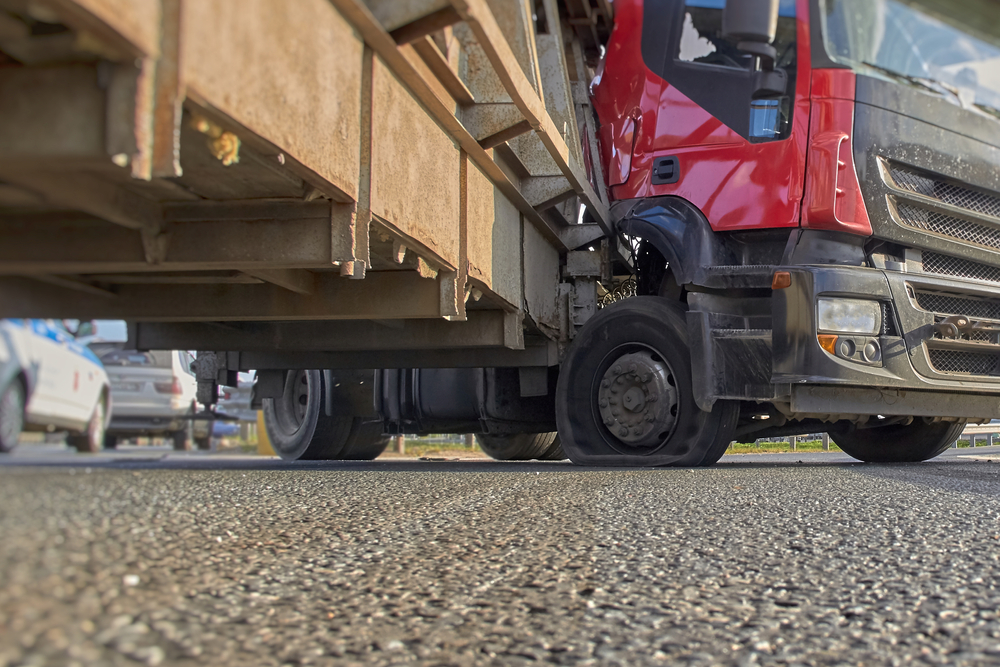
Semi-truck accidents involve far more legal complexity than regular car crashes. Multiple parties might be responsible for your injuries, including the truck driver, the trucking company, the company that loaded the cargo, the manufacturer of truck parts, or the entity responsible for truck maintenance.
Federal regulations govern the trucking industry, covering everything from how many hours drivers can work to how cargo must be secured. Violations of these regulations can be important evidence in your case, but identifying these violations requires someone who understands the intricate web of trucking laws.
Trucking companies and their insurance carriers have teams of investigators and lawyers who respond to accident scenes within hours. They’re not there to help – they’re there to minimize liability and protect their client’s interests. Having a truck accident attorney working for you levels the playing field.
The stakes in truck accident cases are much higher than in typical car accidents because the injuries are often more severe, and the insurance policies are larger. Commercial trucks are required to carry much higher insurance limits than regular vehicles, which means there’s more money available for compensation – if you know how to access it.
Understanding Commercial Insurance Challenges

Handling a commercial trucking insurance claim differs completely from a typical auto insurance claim. These companies have specialized claims departments staffed with experienced adjusters whose job is to minimize payouts on high-value claims like yours.
Don’t be surprised if the trucking company’s insurer tries to get you to sign documents or give recorded statements immediately after your accident. They might present these as routine paperwork, but they’re designed to limit their exposure to your claim. Always have a truck accident lawyer review any documents before you sign them.
Commercial insurers often hire private investigators to follow accident victims, looking for evidence they can use to dispute the severity of injuries. They might videotape you doing everyday activities and argue that if you can grocery shop, you can’t be as hurt as you claim.
The insurance company might also try to shift blame to you for the accident. They can argue you were speeding, following too closely, or not paying attention. Even if you were partially at fault, you might still be entitled to compensation, but determining fault in truck accidents requires careful investigation and experience.
Evidence Preservation Is Crucial
Evidence in truck accident cases is more complex and extensive than in regular car accidents, and much of it can disappear quickly if not preserved properly. Trucking companies are required to maintain various records and logs, but they’re only required to keep them for specific periods.
The truck’s electronic logging device (ELD) contains key information about the driver’s hours of service, vehicle speed, and other vital data from before, during, and after your accident. This information can prove whether the driver was violating federal regulations or driving unsafely.
Driver logs, maintenance records, cargo manifests, and inspection reports can all provide evidence about what caused your accident. However, trucking companies typically only keep these records for a limited time, so your truck accident attorney needs to act quickly to preserve this evidence.
The truck itself is evidence and should be inspected by experts before it’s repaired or destroyed. Mechanical failures, improper maintenance, or defective parts could have contributed to your accident. Once the truck is fixed or scrapped, this evidence is gone forever.
Multiple Parties May Be Responsible

Unlike car accidents, where you typically deal with one at-fault driver, truck accidents often involve multiple responsible parties. Identifying all potentially liable parties is necessary for maximizing your compensation and ensuring you don’t miss out on available insurance coverage.
The truck driver might be liable if they were speeding, driving while fatigued, under the influence, or violating traffic laws. However, even if the driver made mistakes, other parties might share responsibility for creating the conditions that led to the accident.
The trucking company can be held responsible for its employee’s actions, but it might also be directly liable for inadequate driver training, unrealistic delivery schedules that encourage speeding or skipping rest breaks, or failure to maintain its vehicles properly.
Third-party logistics companies, cargo loaders, and maintenance contractors might also be responsible if their actions or negligence contributed to the accident. Even truck manufacturers can be liable if defective parts or design flaws contributed to the crash.
The Role of Federal Regulations
The trucking industry is heavily regulated by federal agencies, and violations of these regulations can be powerful evidence in your case. However, understanding these complex regulations requires knowledge that most people don’t have.
Hours of service regulations limit how long truck drivers can work and mandate rest periods to prevent fatigue-related accidents. If the driver who hit you was violating these rules, it’s strong evidence of negligence that your truck accident lawyer can use in your case.
Weight limits and cargo securement rules exist to prevent overloaded trucks and shifting cargo from causing accidents. Violations of these regulations can make trucks harder to control and more dangerous in crashes.
Regular inspection and maintenance requirements help ensure trucks are safe to operate. If poor maintenance contributed to your accident, the trucking company and their maintenance contractors can be held responsible for your injuries.
Why You Need Experienced Legal Help

Truck accident cases require the knowledge and resources that general personal injury lawyers might not have. The federal regulations, industry practices, and technical aspects of commercial trucking create unique challenges that require specific knowledge.
A truck accident attorney has relationships with expert witnesses who can analyze accident scenes, inspect vehicles, review driver records, and explain complex trucking regulations to judges and juries. These experts are often important for proving liability and demonstrating the full extent of your damages.
Trucking companies and their insurers have teams of lawyers and investigators working to minimize their liability from the moment an accident occurs. You need equally skilled and experienced representation to protect your interests and fight for fair compensation.
The financial resources required to investigate and litigate a truck accident case properly can be substantial. Expert witnesses, accident reconstruction specialists, and extensive discovery processes all cost money you shouldn’t have to pay upfront while you’re recovering from serious injuries.
Calculating Your True Damages
The damages in truck accident cases are often substantial because the injuries tend to be severe and long-lasting. However, calculating the full extent of your damages requires understanding your current losses and how your injuries will affect your future.
Medical expenses in truck accident cases can be enormous, especially if you’ve suffered catastrophic injuries requiring multiple surgeries, extended hospital stays, rehabilitation, and ongoing medical care. Your settlement should account for all current medical bills plus estimated future medical costs.
Lost income becomes complicated when injuries prevent you from returning to work or limit your earning capacity. If you can’t do the same job you had before the accident, you deserve compensation for the difference in earning potential over your entire career.
The pain and suffering damages in truck accident cases reflect the severity of injuries and their impact on your quality of life. Permanent disabilities, chronic pain, and limitations on activities you used to enjoy all deserve compensation beyond just medical bills and lost income.
Dealing with Aggressive Defense Tactics
Trucking companies and insurers use sophisticated tactics to minimize liability and reduce claim payouts. They might hire accident reconstruction experts to create alternative theories about how the crash occurred or medical experts to dispute the severity of your injuries.
They might argue that your pre-existing medical conditions, rather than the truck accident, are responsible for your current health problems. This is why having complete medical records and expert medical testimony is vital in building a strong case.
Some trucking companies will try to destroy or “lose” vital evidence like driver logs, maintenance records, or electronic data from the truck. Your truck accident attorney knows how to quickly preserve this evidence through legal demands and court orders.
The defense might also try to shift blame to you by arguing you were distracted, speeding, or somehow contributed to the accident. Even if you made minor errors, the trucking company can still be held responsible if their driver’s actions were the primary cause of the crash.
Time Limits and Legal Deadlines
Truck accident cases involve multiple time-sensitive deadlines that can affect your ability to recover compensation. Missing these deadlines can bar your claim, regardless of your case’s strength.
Every state has a statute of limitations that sets a deadline for filing personal injury lawsuits. However, some aspects of truck accident cases have shorter deadlines, especially when government entities are involved, or federal claims are possible.
Evidence preservation demands must be sent quickly to prevent trucking companies from destroying records they’re required to maintain. Once these records are gone, they can’t be recovered, and critical evidence for your case disappears forever.
Insurance companies often impose their deadlines for reporting claims and providing certain information. While these might not be legally binding, missing them can complicate your case and give the insurer reasons to delay or dispute your claim.
Your Future Depends on the Decisions You Make Now
The aftermath of a semi-truck accident can be the most challenging period of your life, but the decisions you make in the coming days and weeks will affect your future for years to come. You deserve compensation that fully accounts for how this accident has changed your life.
Don’t let the trucking company’s insurance adjusters pressure you into quick settlements that don’t reflect the value of your case. These companies have teams of professionals working to minimize what they pay you – you need equally skilled representation working for your interests.
Your injuries are severe, your suffering is real, and the trucking company should be held accountable for the consequences of their actions or negligence. A Creve Coeur personal injury lawyer has the knowledge, resources, and determination to fight for the justice and compensation you deserve.
The road to recovery after a truck accident is long and difficult, but you don’t have to travel it alone. By securing experienced legal representation now, you’re taking the most critical step toward protecting your rights and securing your future.

A.J. Bruning
Founder
I was born and raised to represent individuals who have been needlessly injured. I mean that literally. At a young age my father would tell me about the clients he was representing. I would meet them and take pride in their admiration of my father. I always knew I wanted to be a lawyer and represent clients that needed my help.
Author's Bio